Bathroom Waterproofing

Bathroom waterproofing that passes inspection the first time

HydroForce installs certified wet area membrane systems in bathrooms across Brisbane, the Gold Coast and the wider South East Queensland corridor. Every job is set out to AS 3740, flood tested for a full 24 hours, and handed over with a signed compliance certificate.

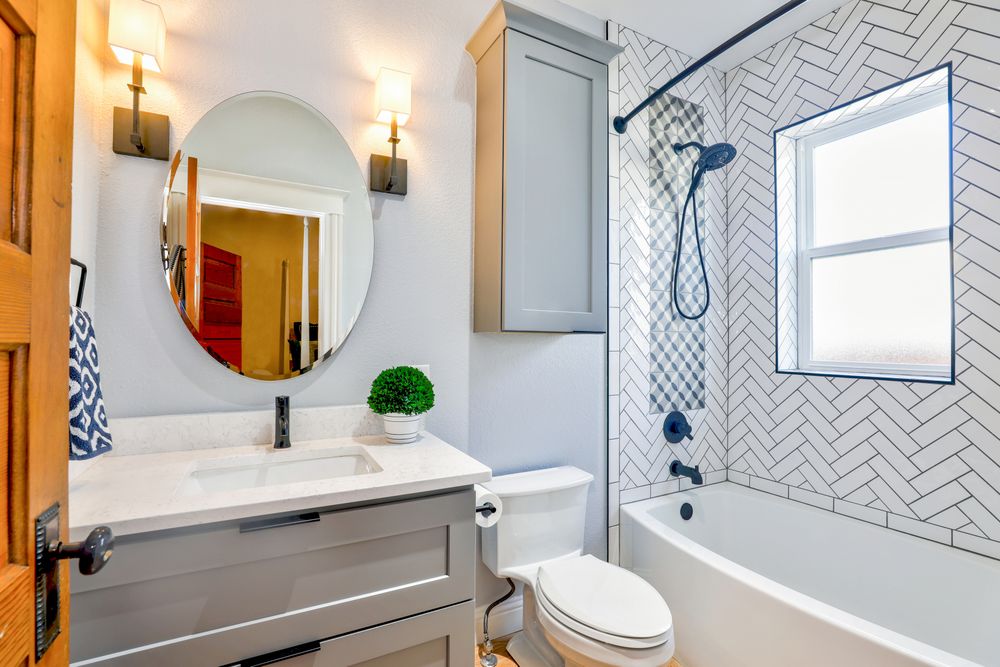
Renovated bathroom with vanity, bath and tiled walls waterproofed by HydroForce
Overview

What bathroom waterproofing actually involves

A bathroom is the hardest working room in an Australian home. It takes steam, splash, thermal movement and constant load from foot traffic, and it does all of that sitting directly above a timber or concrete floor structure that has no tolerance for sustained moisture. Waterproofing is the layer that keeps those two realities apart. It is not the tiles, it is not the grout and it is not the silicone. It is a continuous, flexible membrane installed underneath everything you can see, engineered so that any water passing through the tile bed is caught, contained and directed back to the floor waste.

Under AS 3740, the Australian Standard for waterproofing domestic wet areas, a bathroom is treated as a series of zones with different requirements. The shower enclosure carries the heaviest obligations. Walls inside the shower must be protected to a minimum height above the floor, the floor of the enclosure must be fully waterproofed, and where the shower sits on a timber floor or on the second storey of a dwelling, the entire bathroom floor becomes a waterproofed surface rather than just the wet zone. Outside the shower, the standard still requires the perimeter junction between the floor and the wall to be sealed, along with a rise up the wall, plus protection around the bath, basin and any other fixture where water is likely to land.

Where most bathrooms fail is not in the field of the floor. It is in the details. The junction where the floor slab meets the wall sheet moves seasonally as the building expands and contracts. The pipe penetration for the shower waste is a hole cut through the substrate. The hob at the shower entry is a separate element bonded to the floor. Each of these is a discontinuity, and each one needs to be treated with a bond breaker, a reinforcing bandage or a purpose made collar before the membrane goes over the top. Skip that step and the membrane will tear along the junction the first time the building moves, which is usually within eighteen months of handover.

HydroForce treats the bathroom as a complete system rather than a coat of product. We assess the substrate, correct the falls if drainage is wrong, prime to the manufacturer's specification, install every reinforcement detail, then build the membrane in two measured coats to the correct wet film thickness. The result is a bathroom that will still be dry in a decade, and paperwork that satisfies a private certifier without a second visit.
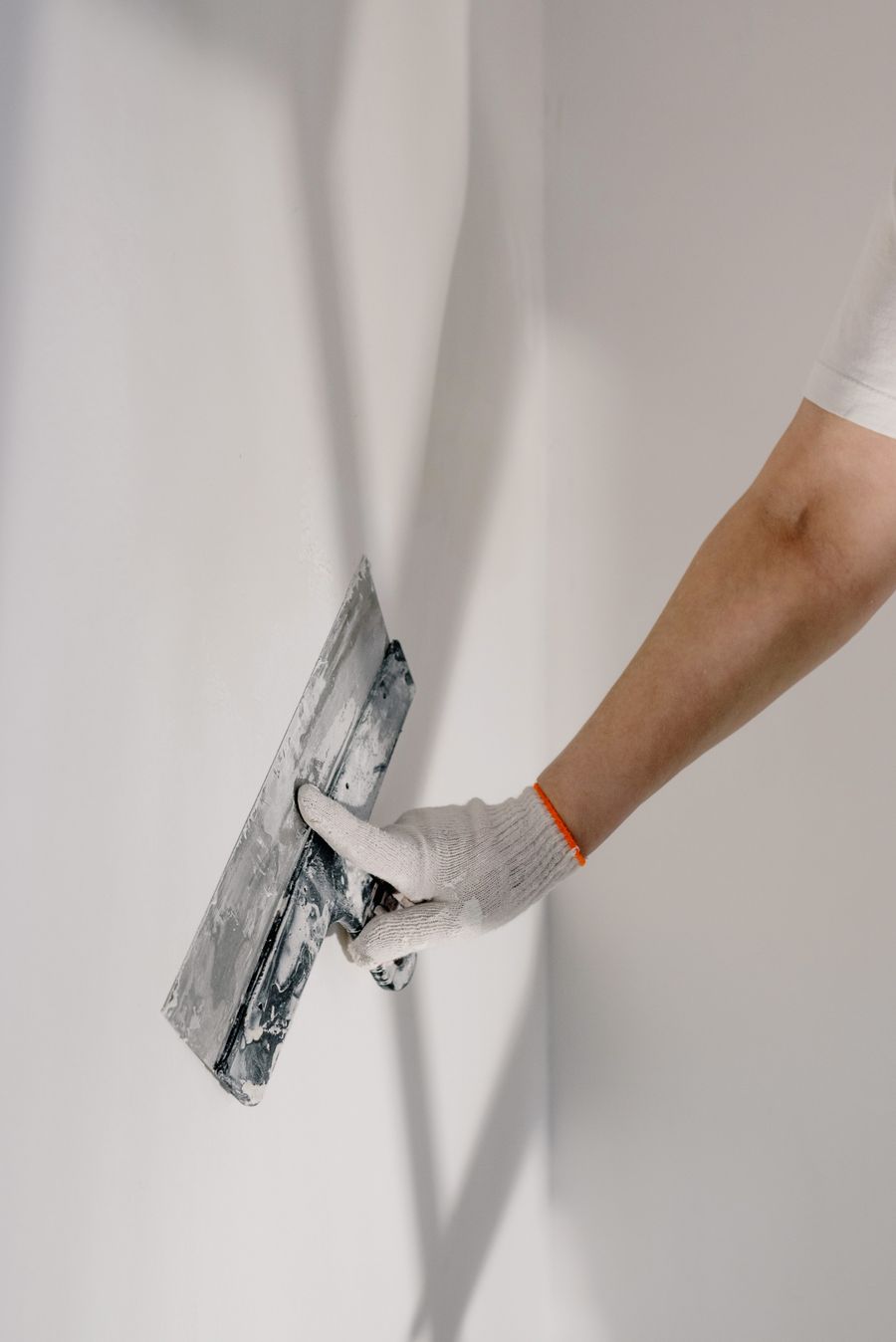
Applicator trowelling waterproof membrane onto a prepared bathroom wall
Scope of works

What is included in a HydroForce bathroom waterproofing job

Every quote covers the full system, not just the membrane coats. Nothing on this list is treated as an optional extra.

Substrate assessment and correction

We check the floor for falls to waste, hollow or drummy sheeting, movement joints and moisture content before anything is applied. Where falls are wrong or the screed has failed, we quote the correction rather than membrane over a problem you will pay for later.

Mechanical preparation and priming

Surfaces are ground, vacuumed and primed with the system primer matched to the substrate, whether that is a concrete slab, a compressed fibre cement sheet or a plasterboard wall lining rated for wet areas.

Bond breakers at all movement joints

Floor to wall junctions, wall to wall internal corners and hob junctions receive a bond breaker so the membrane can stretch across the joint instead of tearing when the building moves.

Reinforcing bandage and collars

Every internal corner, junction and change of plane is bandaged. Every penetration, including waste outlets, tap sets, shower rails and mixer bodies, is collared and sealed.

Two measured membrane coats

The membrane is applied in two coats at the full specified wet film thickness, with the second coat rolled at ninety degrees to the first so coverage is even and pinhole free.

Flood test and certification

The completed wet area is flood tested for 24 hours. Once it holds, you receive stage photographs, an AS 3740 compliance certificate and your signed 7 year workmanship warranty.

What to look for

Signs your bathroom waterproofing has failed

Waterproofing failures rarely announce themselves. By the time the damage is visible, water has usually been tracking through the structure for months.

Dark or swollen skirting

Skirting boards, door jambs or architraves next to the bathroom that swell, blister or darken at the base are almost always drawing moisture from a failed floor to wall junction inside the wet area.

Staining on the ceiling below

A brown ring or a soft patch on the ceiling underneath a second storey bathroom means water has passed the membrane and is sitting in the floor structure. This is the most urgent failure mode and needs inspection immediately.

Loose, drummy or lifting tiles

Tiles that sound hollow when tapped, or grout that keeps cracking in the same line, usually indicate the tile bed is holding water and the bond is breaking down from underneath.

Efflorescence at the shower base

White powdery deposits appearing at the base of the shower or along the hob are salts carried out of the screed by water moving through it, which means the membrane is not containing the water.

A smell that will not clear

A persistent musty odour in a bathroom that is well ventilated is a strong indicator of trapped moisture in the wall cavity or the floor structure behind the tiles.

Paint bubbling on the far side

Blistering paint on the outside face of a bathroom wall, particularly in a hallway or bedroom, means moisture is passing through the wall sheet from the wet side.

How it works

Our bathroom waterproofing process

Inspection and fixed quote

A supervisor attends site, measures the wet area, checks substrate condition, falls and drainage, and confirms which zones the standard requires us to treat. You receive a written fixed price scope within 24 hours with no open items.

Preparation and priming

We grind back contaminants, vacuum the area to a dust free finish, mask adjoining surfaces and apply the primer specified for your substrate. Preparation is where the bond is won or lost, so it is never rushed to fit a schedule.

Detailing and reinforcement

Bond breakers are installed at every movement joint, bandage tape is bedded into all internal corners and junctions, and every penetration is collared. This stage takes as long as it takes.

Membrane application

Two coats are applied at full specified thickness, cross rolled for even coverage, with correct cure time allowed between coats. Wet film thickness is checked as we go rather than estimated.

Flood test and handover

The area is dammed and flooded for 24 hours. Once the test passes, we photograph the result, issue your AS 3740 certificate and release the bathroom to your tiler.

Pricing

What affects the cost of bathroom waterproofing

We price on site, never over the phone. These are the variables that move the number up or down on a South East Queensland bathroom.

FactorWhy it matters
Wet area size and layoutA compact ensuite with one wet zone is faster than a large family bathroom with a separate shower, freestanding bath and a wall hung vanity that all need detailing.
Substrate type and conditionA sound concrete slab primes and coats quickly. Timber floors, compressed sheet, patched screeds and mixed substrates all require additional preparation and sometimes a different primer system.
Ground floor or upper levelUpper storey bathrooms and bathrooms over habitable space attract a larger waterproofed footprint under the standard, which means more materials and more labour.
Number of penetrationsEvery waste, tap set, mixer body, niche and rail fixing is a separate detail. A bathroom with a shower niche, a bath spout and a floor waste in the enclosure carries more detail work than a basic layout.
Access and site conditionsSecond storey unit access, restricted parking, stair only access and shared building constraints all add time that we price honestly up front rather than claiming later as a variation.
Repair versus new buildSealing a new build is straightforward. Remediating an existing failure means demolition, drying, substrate repair and sometimes structural rectification before the membrane can go down.
Standards

Compliance, certification and warranty

In Queensland, waterproofing is licensed work. The Queensland Building and Construction Commission requires a licence to carry out waterproofing on residential wet areas, and the work must comply with AS 3740 as referenced by the National Construction Code. HydroForce holds the appropriate QBCC licence class and carries public liability cover, and every applicator on our crews works to the same documented method regardless of which job they are on.

That matters more than it sounds. If waterproofing is installed by an unlicensed operator, the work may not be covered by the Queensland Home Warranty Scheme, and a future buyer's building and pest inspector will flag the absence of a certificate. When you sell, that missing paperwork becomes a negotiating point against you. When you claim, it becomes a reason for the claim to be refused.

Included with every job

  • AS 3740 compliance certificate issued for every completed wet area
  • Photographic record of preparation, detailing, membrane coats and flood test
  • Product batch and system data sheet supplied with the certificate
  • Signed 7 year workmanship warranty, transferable to a new owner
  • QBCC licensed applicators and full public liability cover
  • Documentation emailed on the day of completion, not weeks later
FAQ

Bathroom Waterproofing questions we are asked most

How long does bathroom waterproofing take from start to finish?

A standard bathroom takes about three days end to end. Day one is preparation, priming and detailing, day two is the second membrane coat once the first has cured, then the area is flood tested for 24 hours before we release it. Larger bathrooms or jobs needing substrate repair can run longer, and we tell you the realistic timeline at quote stage so your tiler can be booked with confidence.

Do I need to waterproof the whole bathroom floor or just the shower?

It depends on the construction. Where the bathroom sits on a timber floor, on an upper storey, or above habitable space, the entire floor is treated as a waterproofed surface. On a ground floor concrete slab with a fully enclosed shower, the standard allows a smaller waterproofed footprint, though the shower floor, the shower walls to the required height and the full floor to wall perimeter junction are always included. We confirm which case applies during the site inspection.

Can you waterproof over existing tiles?

In limited situations, yes. There are membrane systems designed to be applied over sound, well bonded tiles with the correct primer, and they can work well for a laundry or a low risk area. For a shower or a bathroom with a suspected failure, we do not recommend it. If water is already in the substrate, sealing over the top traps it and the problem reappears somewhere worse. We inspect first and give you a straight answer either way.

What happens if the flood test does not hold?

We find the fault and fix it before anything else happens on that job. That is precisely why the test exists, and it is far cheaper to correct at membrane stage than after the tiler has finished. A failed test costs you nothing extra because rectification at that point is our responsibility under the fixed quote.

Do you work directly with homeowners or only with builders?

Both. Around half our residential work comes from builders and renovation contractors running a program of jobs, and the rest comes directly from homeowners managing their own renovation. If you are owner building, we will explain exactly what the certifier will look for so nothing holds up your inspection.

When can my tiler start after the membrane is done?

Once the flood test has passed and the water is removed, the area is ready. In practice that means your tiler can be on site the morning after the test is drained. We coordinate directly with your tiler if you would prefer to hand that over to us.

Contact us

Book your free bathroom waterproofing quote

Send your project details through and a HydroForce supervisor will call you back the same business day to arrange a site inspection.

HydroForce applicator preparing a wall surface before membrane application